- Launch of the WPL Climate Network
- Peace, security and the UN: Navi Pillay’s Nobel Peace Prize and the race for UN Secretary-General
- New leadership: Morocco, Kosovo, Estonia, Zambia and Brazil
- By the numbers: 194 years
- This week: Who leads next? Women’s leadership at the European Parliament
- WPL Country Ambassador Updates: security and diplomacy, ASEAN, Lebanon, Brazil
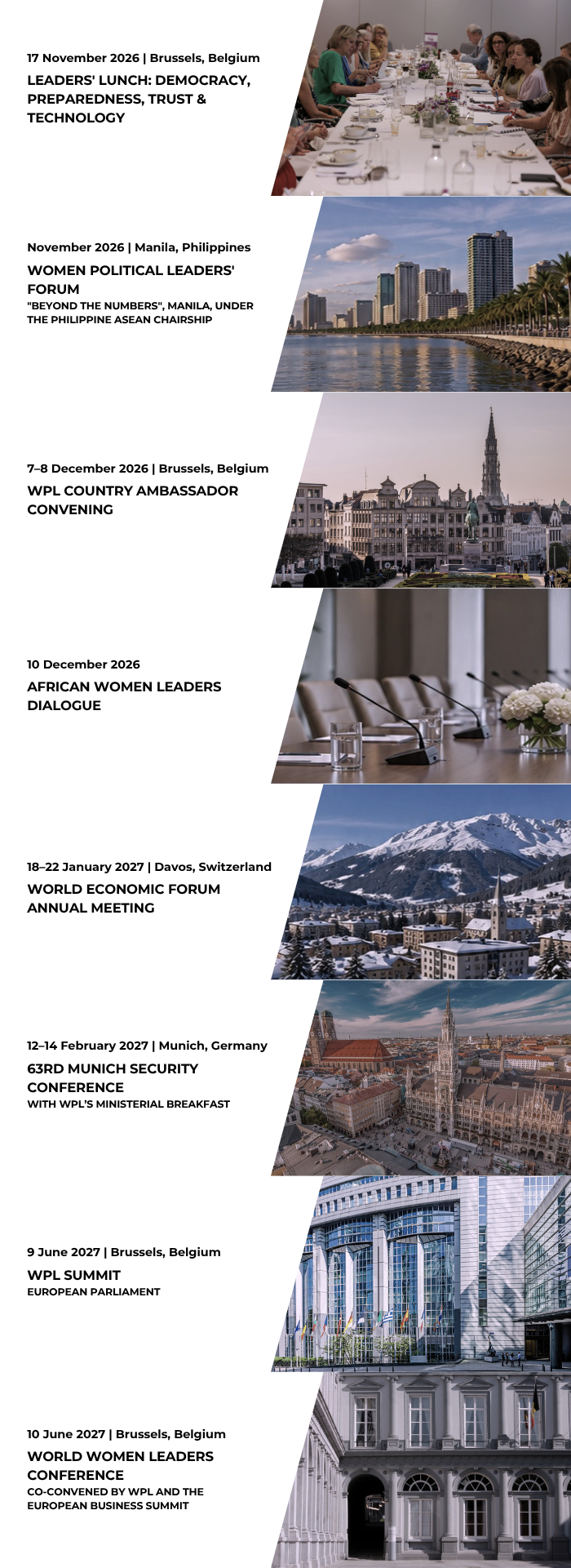
- What’s Coming Up?
|
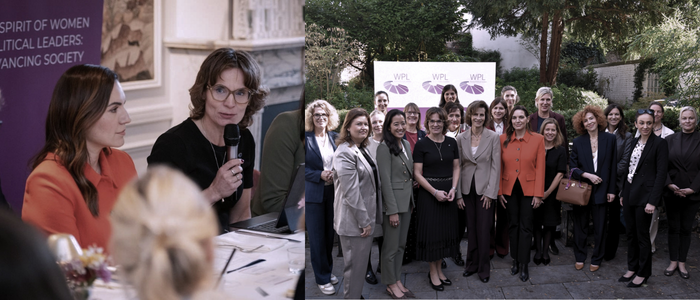
Women Political Leaders Launches the WPL Climate Network
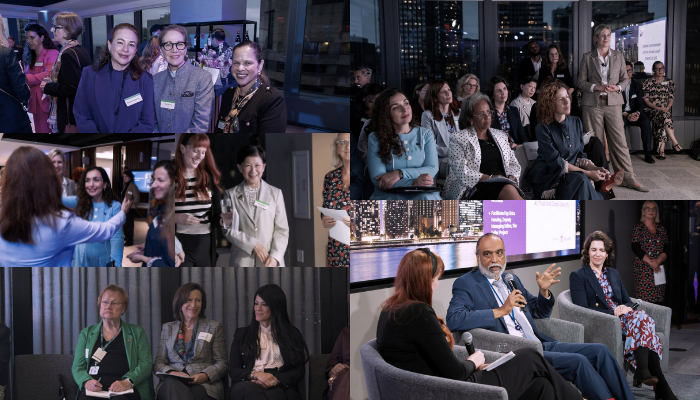
Where climate investment flows, how fast grids are built, who pays for the transition: the decisions that will shape Europe’s energy, industry and security for decades are being taken now. The new WPL Climate Network brings together women who take them. Its first meeting in Brussels on 14 October gathered senior leaders from the EU institutions, national governments, multilateral finance and the private sector, among them HRH Princess Esmeralda of Belgium, Olga Kefalogianni, Jessika Roswall, Sigrid Friis, Zita Gurmai, Prof. Dr. Andrea Wechsler and Sanja Bozinovska.
The conversation centred on delivery across four fronts: climate resilience, the energy transition, sustainable finance and technological innovation, and on keeping climate goals and Europe’s competitiveness pulling in the same direction. The Network gives its members a standing space to compare experience across sectors and turn commitments into measurable results.
|
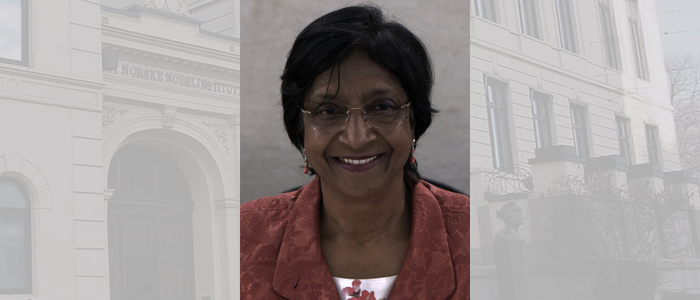
Navi Pillay Awarded the 2026 Nobel Peace Prize
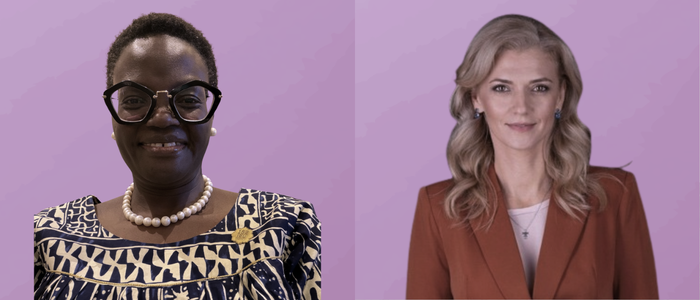
When the news from Oslo reached her, Navi Pillay was in Nuremberg, the city where international criminal justice began eighty years ago. The 85-year-old South African jurist has been awarded the 2026 Nobel Peace Prize “for her efforts to promote peace and international law”.
Her career traces the modern history of that law. A lawyer who fought apartheid, she went on to preside over the International Criminal Tribunal for Rwanda, served as a judge of the International Criminal Court and spent six years as UN High Commissioner for Human Rights (2008–2014). At a time when international law is under strain, the Nobel Committee has put the rules that bind states, and the courts that uphold them, at the centre of the peace agenda. Pillay is the fifth South African to receive the prize.
|
The Race to Lead the UN Is Wide Open Again
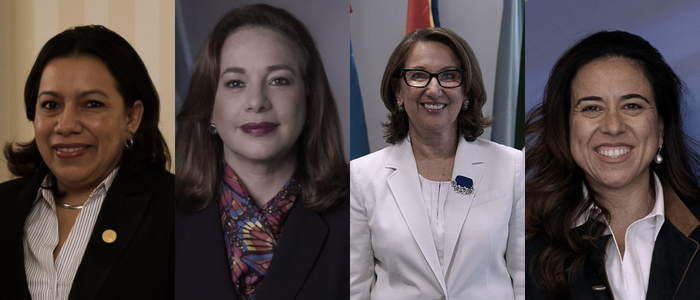
Less than two months before António Guterres hands over on 31 December, the race to become the tenth UN Secretary-General is wide open. After six informal straw polls in the Security Council, the three leading candidates, Carolyn Rodrigues-Birkett of Guyana, María Fernanda Espinosa of Ecuador, Rafael Grossi of Argentina and Rebeca Grynspan of Costa Rica, all face opposition from permanent members. New names are entering the field: the United Arab Emirates nominated Lana Nusseibeh, its Minister of State and former Permanent Representative to the UN, on 21 October, and Türkiye nominated former Foreign Minister Feridun Sinirlioğlu on 30 October.
Two assumptions are now in question. Many expected the post to go to Latin America and the Caribbean, in line with the informal practice of regional rotation; the late entries from the Gulf and Türkiye open that up. And after more than 80 years without a woman at the helm, the calls for a first woman Secretary-General are strong and several women are among the frontrunners, yet the outcome is far from certain. The Security Council must recommend a candidate with at least nine votes and no veto from its five permanent members; the General Assembly then makes the appointment.
|
|
|
|
|
|
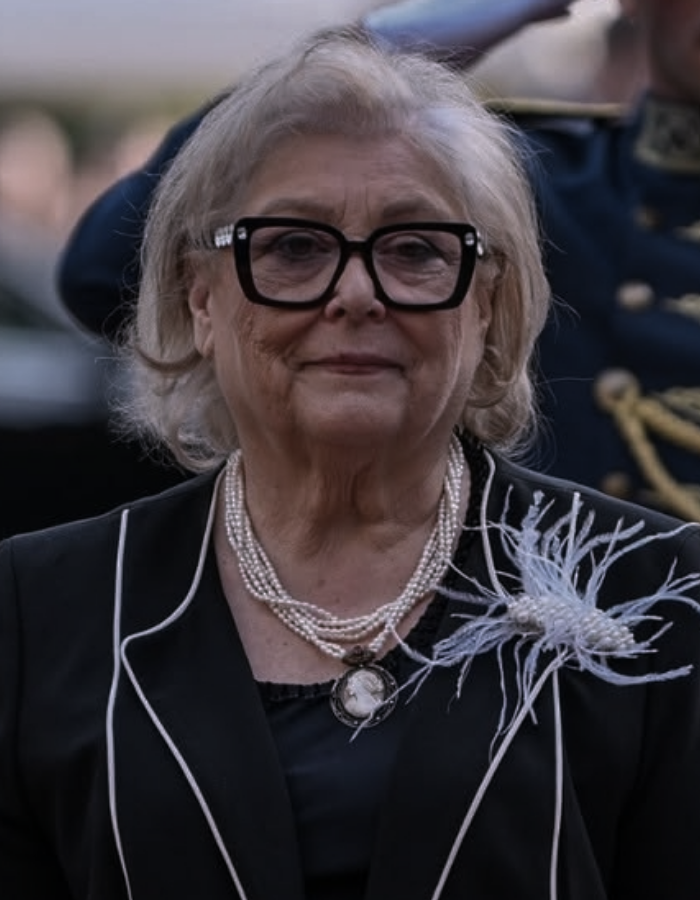
Morocco: A New Government with an Economic Agenda
King Mohammed VI appointed Fatima Ezzahra El Mansouri Prime Minister on 29 September, after her Authenticity and Modernity Party (PAM) came first in the elections of 23 September. Her coalition government was appointed on 16 October. Its stated priorities: purchasing power, youth employment, reducing regional disparities and public services, with preparations for the 2030 FIFA World Cup ahead. A lawyer and former mayor of Marrakesh, El Mansouri served as Minister of Territorial Planning, Urban Planning and Housing from 2021. She is Morocco’s first woman Prime Minister and the second in the Arab world, after Najla Bouden of Tunisia.
|
|
|
|
|
|
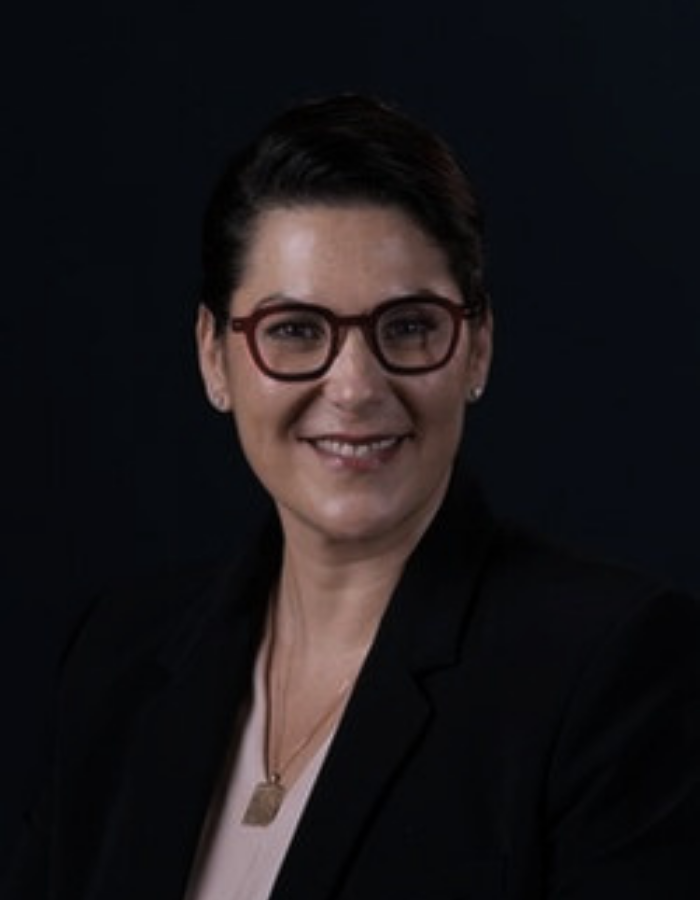
Kosovo: Presidential Election Ends Months of Institutional Deadlock
Kosovo’s Assembly elected economist Justina Shiroka Pula President with 81 votes in a session that ended just after midnight on 7 October, minutes before a constitutional deadline that would have forced new elections. She was sworn in the same day. Her candidacy came from an agreement between the governing Vetëvendosje movement and the opposition Democratic Party of Kosovo. A former Minister of Energy and Mining and head of the Academy of Sciences and Arts, she is Kosovo’s third woman president.
|
|
|
|
|
|
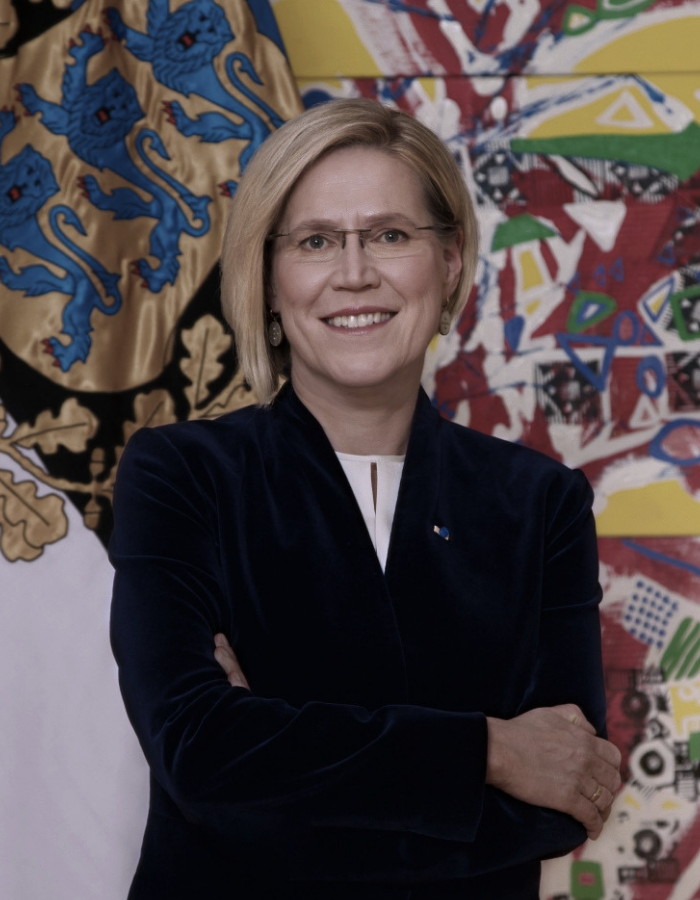
Estonia: A Constitutional Lawyer Becomes Head of State
Ülle Madise, Estonia’s Chancellor of Justice since 2015, took office as President on 12 October. Elected by the Riigikogu on 2 September with 71 votes, she needed support from both coalition and opposition. She is Estonia’s second woman President, after Kersti Kaljulaid.
|
|
|
|
|
|
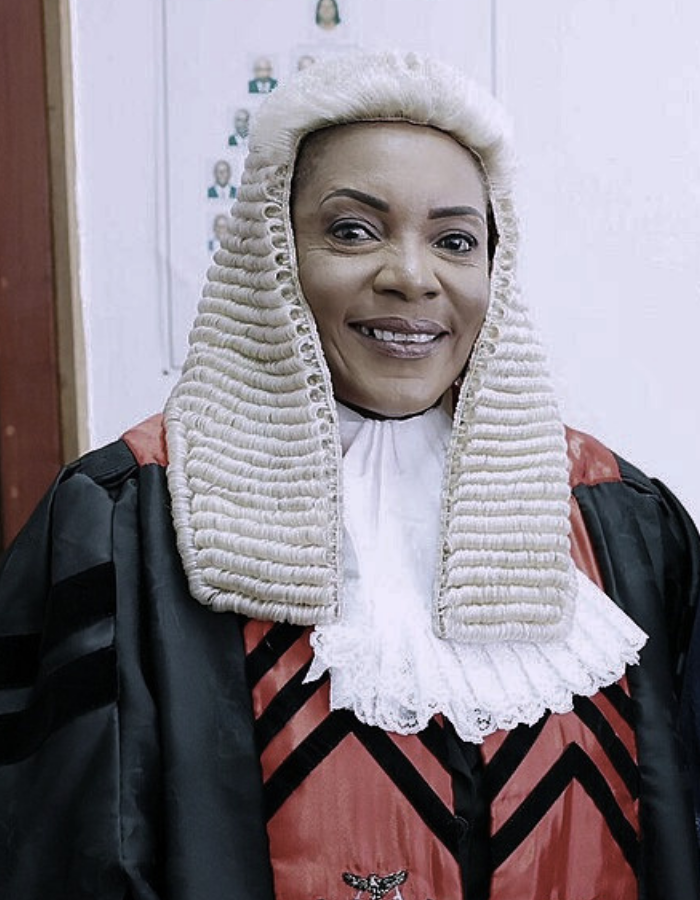
Zambia: Nelly Mutti Re-elected Speaker
Zambia’s new National Assembly has returned Nelly Mutti to the Speaker’s chair: she was re-elected unopposed on 2 October, following the general elections of 13 August. A lawyer and former chair of Zambia’s Anti-Corruption Commission, she became the country’s first woman Speaker in 2021 and sits on the Executive Committee of the Inter-Parliamentary Union.
|
|
|
|
Brazil: Three Women Elected State Governors
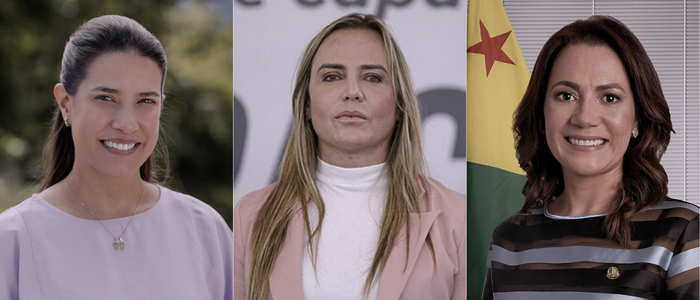
Brazil’s elections of 4 and 25 October put three women at the head of state governments from 2027: Raquel Lyra (PSD) was re-elected in Pernambuco in the first round, while Celina Leão (PP) in the Federal District and Mailza Assis (PP) in Acre won in the second round. Brazil last had three women elected governors at the same time in 2006.
|
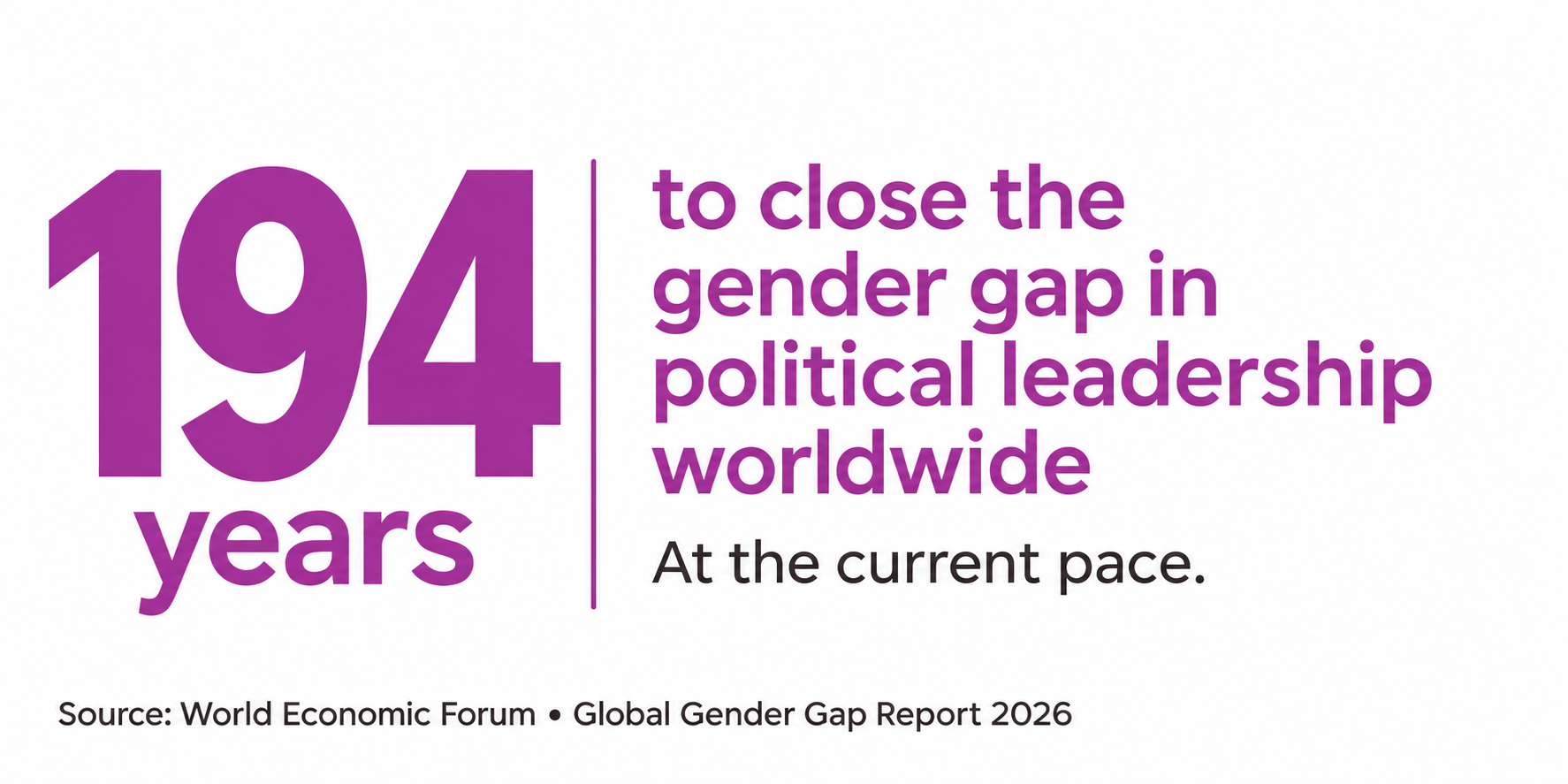
194 Years
At the current pace, it will take 194 years to close the gender gap in political leadership worldwide, according to the World Economic Forum’s Global Gender Gap Report 2026. Change can come much faster: Namibia elected its first woman president in 2025, reached gender parity in cabinet and narrowed its economic gender gap.
|
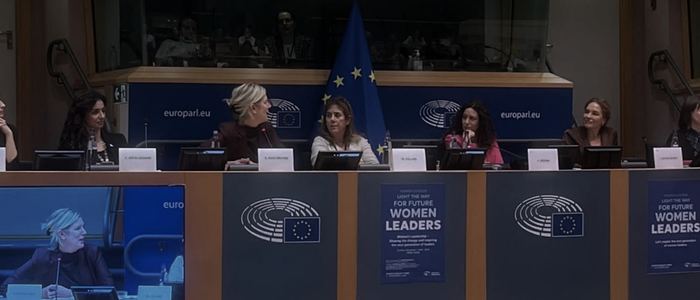
Who Leads Next? Women’s Leadership Takes the Stage at the European Parliament
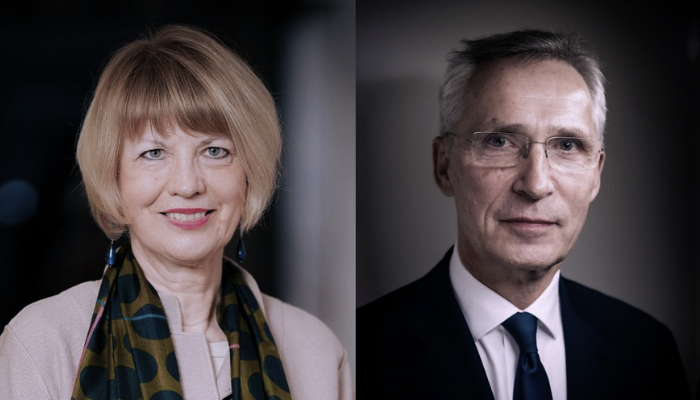
Who will lead next, and what will it take to get them there? That question sits at the heart of European Gender Equality Week, and its main event at the European Parliament, “Women’s Leadership: Shaping the Change and Inspiring the Next Generation of Leaders”, puts it to some of the women who have already made it to the top. Many of them come from the WPL community: Lina Gálvez, Chair of the FEMM Committee and WPL Country Ambassador; Nadia Calviño, President of the European Investment Bank; Mariya Gabriel, Assistant Director-General at UNESCO and former European Commissioner; and WPL Founder and President Silvana Koch-Mehrin. They are joined by European Parliament President Roberta Metsola, UN Deputy Secretary-General Amina Mohammed, Commissioner Dubravka Šuica, Committee of the Regions President Kata Tüttő and Vice-President Antonella Sberna.
|
|
|
|
Parliamentary Diplomacy: The WPL Community at the IPU Assembly in Arusha
The 153rd Assembly of the Inter-Parliamentary Union (5–9 October, Arusha, Tanzania) closed the presidency of Dr. Tulia Ackson, WPL Country Ambassador for Tanzania and the first African woman to lead the IPU. Over three years she represented the world’s parliaments in international talks on peace, democracy and development. She hands over to Milton Dick, Speaker of Australia’s House of Representatives.
In Arusha, Alina-Ștefania Gorghiu, WPL Country Ambassador for Romania, spoke on diplomacy and peacebuilding, pointing to the women leading in Romania’s diplomatic service and international missions. Her call: turn “competence into opportunity, opportunity into leadership, and leadership into real decision-making power.”
|
Egypt’s Foreign Policy: Sahar Albazar Re-elected First Deputy Chair of the Foreign Affairs Committee
|
|
|
|
|
|
Sahar Albazar, WPL Country Ambassador for Egypt, was re-elected First Deputy Chair of the Egyptian Parliament’s Foreign Affairs Committee on 4 October, with former Foreign Minister Sameh Shoukry as Chair. The committee oversees Egypt’s foreign policy, diplomatic relations and international agreements. Albazar previously served as President of the IPU Forum of Young Parliamentarians.
|
|
|
|
Zanda Kalniņa-Lukaševica at the Warsaw Security Forum
|
|
|
|
|
|
The Baltic and Nordic countries, as Europe’s front line, should help shape its strategic response, argued Zanda Kalniņa-Lukaševica, Deputy Speaker of the Saeima and WPL Country Ambassador for Latvia, at the Warsaw Security Forum on 13 October. On a parliamentary panel on transatlantic cooperation with US Congressman Jason Crow and parliamentarians from Poland and Norway, she called for stronger deterrence and higher European defence investment. The Forum brought together more than 2,500 political leaders, military officials and experts from around 90 countries.
|
|
|
|
Beyond the Numbers: Where ASEAN’s Women Leaders Go Next
|
|
|
|
|
|
One woman in 1946, around 90 today: the Philippine House of Representatives has come a long way, and women now hold close to 30% of its seats. For Maria Rachel J. Arenas, Deputy Speaker of the House, Senior Vice Chairperson on ASEAN Affairs and WPL Country Ambassador, the numbers are only the start. The question she put to WPL’s Country Ambassadors in October, with the Philippines chairing ASEAN this year, is who holds the levers of power.
Her answer comes in three parts. Women should chair the committees where power sits, from budget to justice and foreign affairs. Commitments need money behind them, as with the Philippine rule that every government agency allocates at least 5% of its budget to gender and development. And women need protection from harassment, online and offline, to enter politics and stay. Women political leaders from across the region will take this agenda forward in Manila in November under the theme “Beyond the Numbers”, and WPL will share the outcomes.
|
|
|
|
Lebanon: Opening the Diplomatic Service
|
|
|
|
|
|
Married women are still barred from applying to Lebanon’s diplomatic service under a rule dating back to 1971. Dr. Inaya Ezzeddine, Member of Parliament and WPL Country Ambassador for Lebanon, wants to change that: on 12 October she tabled a draft law to abolish it. She argues the rule breaches the constitutional guarantee of equal treatment in public employment and ILO Convention No. 111. The proposal now goes through the parliamentary process.
|
|
|
|
Brazil: Tabata Amaral Re-elected
|
|
|
|
|
|
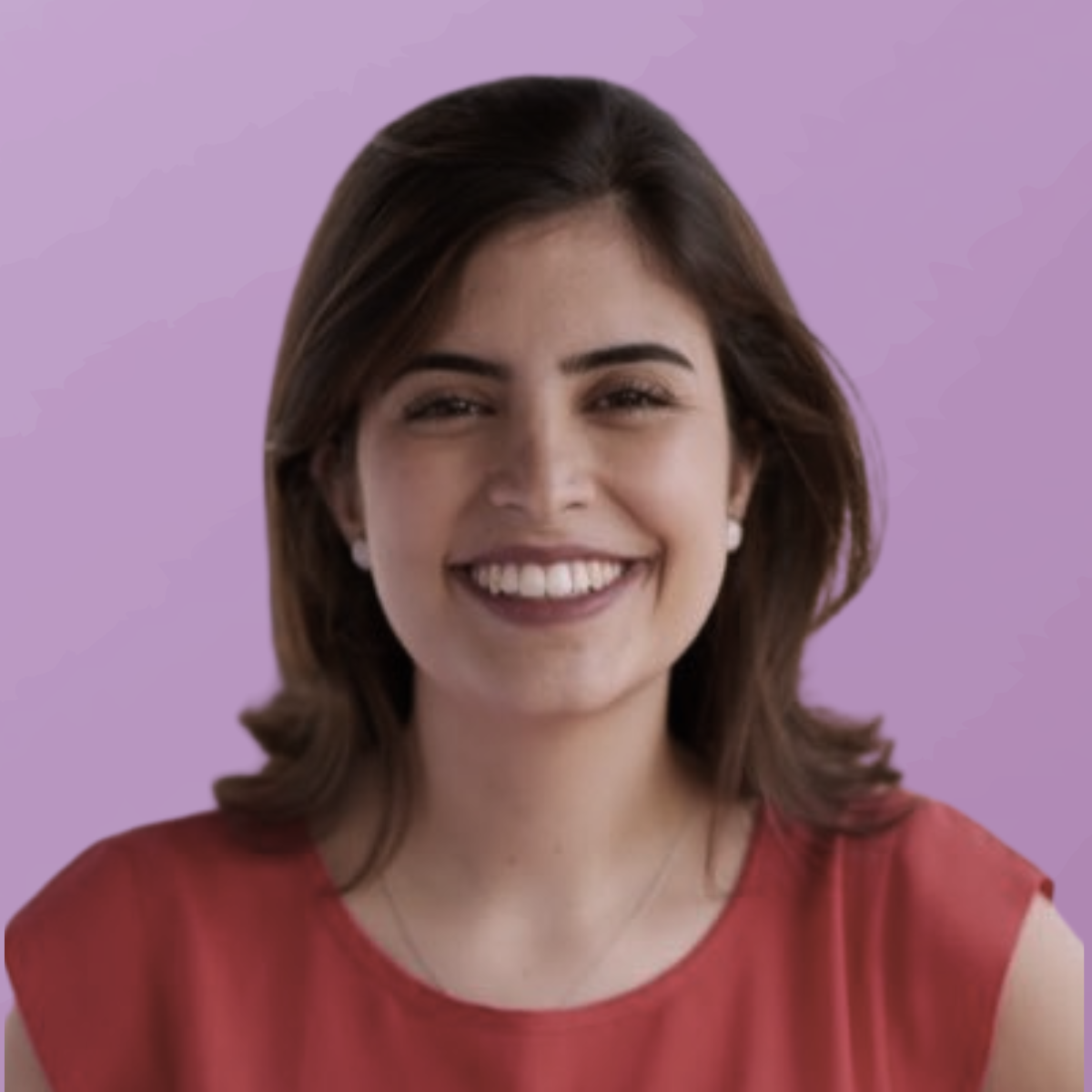
Tabata Amaral, WPL Country Ambassador for Brazil, was re-elected to the Chamber of Deputies for São Paulo on 4 October with one of the state’s highest votes. Her work focuses on education and public policy. Her new mandate begins on 1 February 2027.
|
|
|
|
Where Political Careers Begin: Why Political Parties Matter for Women’s Leadership
Before a woman sits in a cabinet, chairs a committee or leads a government, a political party decides whether she runs at all, where she sits on the list and whether her seat is winnable. Parties recruit, train and select candidates. They set leadership rules and shape political careers years before voters see a ballot.
That is why WPL’s study “Women’s Political Careers” looks at parties as well as parliaments. Many of the barriers women face sit inside party structures: who gets put forward, who gets mentored, and who is trusted with the portfolios that lead to the top. Many of the solutions sit there too. Parties have built women’s networks, leadership programmes and selection rules, and they compare notes across borders.
Political parties organise across borders through their international party families, which bring together parties from every continent to share strategies and train new leaders. WPL is non-partisan and works with women in political leadership from every party and every region. From this edition onwards, each newsletter will point you to the news and newsletters of the international party families, so you can follow how each tradition is opening the way for women to lead.
|
|
|
|
WPL is non-partisan. Links are provided for information and do not imply endorsement.
|
Are you taking on a new role, leading on legislation, speaking at an international forum or launching an initiative? WPL shares news from its community with leaders, partners and institutions around the world. Send your updates, with a photo if available, to communications@wpleaders.org by the 20th of each month to be considered for the next newsletter.
|
You are receiving this email because either:
1) You are a part of the Women Political Leaders (WPL) network
2) You subscribed via WPL website
Manage preferences
Brussels office: Rue Archimède 69, 1000 Bruxelles | 1000 Brussels | Belgium
mail@wpleaders.org
|
|
|
|
|