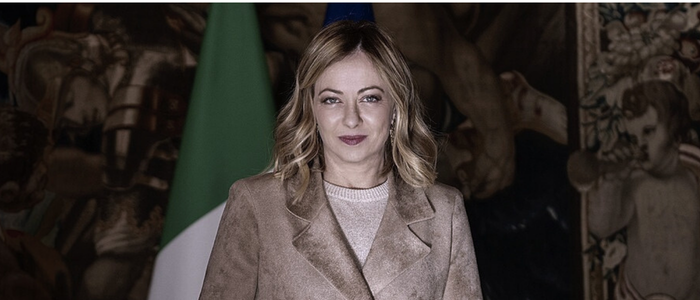
In a rare interview with The New York Times published on 21 August, Italian Prime Minister Giorgia Meloni reflected on her political journey, her approach to leadership and what equality means to her. Asked about feminism, gender quotas and the use of feminine titles for political offices, Meloni argued that the essential question is whether women are free to reach the highest political positions rather than how those positions are labelled or whether quotas are used.
Her comments offer an interesting perspective on a question that continues to shape conversations about women in political leadership: what does progress actually look like?
The answer cannot be reduced to whether having more women in political office automatically produces gender equality. Nor can women’s representation be separated from its impact. WPL’s Representation Matters report has demonstrated the importance of looking beyond numbers and examining the many ways women’s presence in political leadership can influence institutions, policy priorities and political culture.
Meloni’s own trajectory nevertheless represents a significant milestone. Elected Italy’s first woman Prime Minister in 2022, she is now the country’s longest-continuously serving prime minister of the post-war republican era. On 4 September, her government surpassed the previous record of Silvio Berlusconi’s second government, reaching 1,413 days in office.
That achievement is particularly notable against Italy’s history of political turnover. Since the establishment of the Republic in 1946, 31 prime ministers have served, all men until Meloni.
Meloni’s record therefore offers two distinct points for reflection. Her longevity demonstrates that women can reach, hold and exercise political power at the highest level. At the same time, her comments invite a broader conversation about the different routes through which equality can be pursued and about how we assess the impact of women’s leadership once they are in office.